
How to use LinkedIn for business
Learn how to use LinkedIn for business with proven tactics for profile growth, networking, content strategy, and lead generation to build authority and win more clients.

If you’re researching how to use LinkedIn for business, the good news is that LinkedIn still offers one of the highest-intent audiences in B2B. The challenge is that most companies treat it like a digital brochure instead of a revenue channel. The result is predictable: weak reach, low engagement, and no measurable pipeline.
The businesses that win on LinkedIn in 2026 do three things well: they optimize their profiles to convert visitors, publish a content strategy built around authority and proof, and use disciplined outreach and analytics to turn attention into leads. That’s true whether you’re a founder, an agency, or a social media manager handling multiple client accounts.
In this guide, we’ll break down a practical system for LinkedIn for business: profile optimization, content formats that actually perform, LinkedIn posting frequency, LinkedIn lead generation workflows, LinkedIn ads, and a 30/60/90-day growth plan you can implement immediately. We’ll also cover compliance, account safety, and how to manage multiple LinkedIn accounts without creating unnecessary risk.
And if your workflow involves LinkedIn account management at scale, browser isolation matters. Tools like GoUndetected.io can help teams keep work separated cleanly, which is especially useful for LinkedIn for agencies and LinkedIn for social media managers running several brands at once.
LinkedIn Basics
LinkedIn is built around identity, relevance, and relationship signals, so the basics matter more than volume. A clean profile, disciplined search behavior, and consistent outreach create the foundation for safe multi-account workflows and better response rates.
Profile setup
Start with a complete, believable profile: real-looking name format, matching headline, role history, and a clear profile photo. LinkedIn’s own Help Center emphasizes profile completeness because it improves discoverability and trust.
For multi-account operations, keep each profile distinct but coherent. Reuse a consistent structure, not identical wording, and avoid copying bios, job titles, or company descriptions across accounts.
- Use unique headshots, headlines, and summaries.
- Match location, industry, and job history to the account’s purpose.
- Keep contact details and profile links organized per account.
Search filters
LinkedIn search filters help you narrow prospects by title, company, location, industry, and connection degree. That matters because broad searches waste time and can trigger repetitive browsing patterns that look unnatural.
Build smaller, targeted lists and rotate queries instead of running the same search on every account. A practical workflow is to separate by audience type, then refine by seniority or geography.
| Filter | Best use |
|---|---|
| Title | Find decision-makers fast |
| Location | Localize outreach |
| Industry | Segment by niche |
Connection requests
Connection requests should be short, specific, and low-pressure. Mention a shared context, keep the ask simple, and avoid sales language in the first touch. LinkedIn notes that personalized requests are more likely to be accepted.
To stay efficient, standardize a few message templates and vary them by audience. Keep send volume measured, and avoid blasting the same note across accounts.
- Reference a mutual connection, group, or post.
- State why you’re reaching out in one sentence.
- End with a light, optional call to action.
Profile Growth
Profile growth is less about chasing vanity metrics and more about building a profile that looks active, credible, and worth following. On platforms where trust signals matter, small improvements in presentation and consistency can have an outsized effect on reach, follows, and conversions.
Headline tips
Your headline should tell users what you do, who you help, and why they should care in one glance. Keep it specific, keyword-aware, and easy to scan. Avoid generic phrases like “entrepreneur” or “creator” unless they are paired with a clear niche or outcome.
- Lead with your core value proposition.
- Use one primary keyword, not a keyword list.
- Add a proof point, niche, or result when possible.
For example, “Helping DTC brands improve paid social ROAS” is stronger than “Marketing expert.” It sets expectations fast and improves searchability inside the platform. If the platform supports it, test two headline versions over time and track profile visits, follows, and click-through rate.
About section
The About section should expand on your headline without sounding repetitive. Focus on clarity: what you offer, who it is for, and the next step you want users to take. A concise, benefit-led bio usually performs better than a long brand story.
- Start with the audience or problem.
- Explain your value in one or two lines.
- End with a simple CTA, such as visiting a link or sending a message.
Keep formatting readable. Short paragraphs, line breaks, and a single link to a relevant landing page can improve engagement. If you manage multiple accounts, align each bio with a distinct persona so profiles do not look duplicated.
Featured content
Featured content acts like social proof at the top of your profile. Pin your strongest posts, case studies, or offers so new visitors immediately see evidence of expertise. Prioritize content that demonstrates outcomes, not just activity.
| Content type | Best use |
|---|---|
| Case study | Builds trust and shows measurable results |
| How-to post | Signals expertise and saves value |
| Lead magnet | Drives clicks and conversions |
Rotate featured items regularly so the profile stays current. A stale pinned post can reduce credibility, while fresh, relevant content helps convert profile visits into follows and actions.

Networking Moves
Networking works best when it feels human, not automated. For multi-account operators, the goal is to build trust at a steady pace while keeping each profile consistent, relevant, and low-risk.
Message etiquette
Keep first messages short, specific, and tied to the recipient’s context. Mention a shared topic, recent post, or mutual group, then ask one clear question instead of pitching immediately. That lowers friction and improves reply rates.
Protect each account’s voice by matching tone, cadence, and niche. If you manage several profiles, avoid copy-paste templates that create identical patterns across accounts.
- Use one purpose per message.
- Personalize the opening line.
- Limit links and attachments in the first touch.
Follow-up timing
Follow up after a reasonable pause, not the next hour. In most professional contexts, 3–7 days is a practical window: long enough to avoid pressure, short enough to stay relevant. If the contact is warm, move faster; if it’s a cold outreach, wait longer.
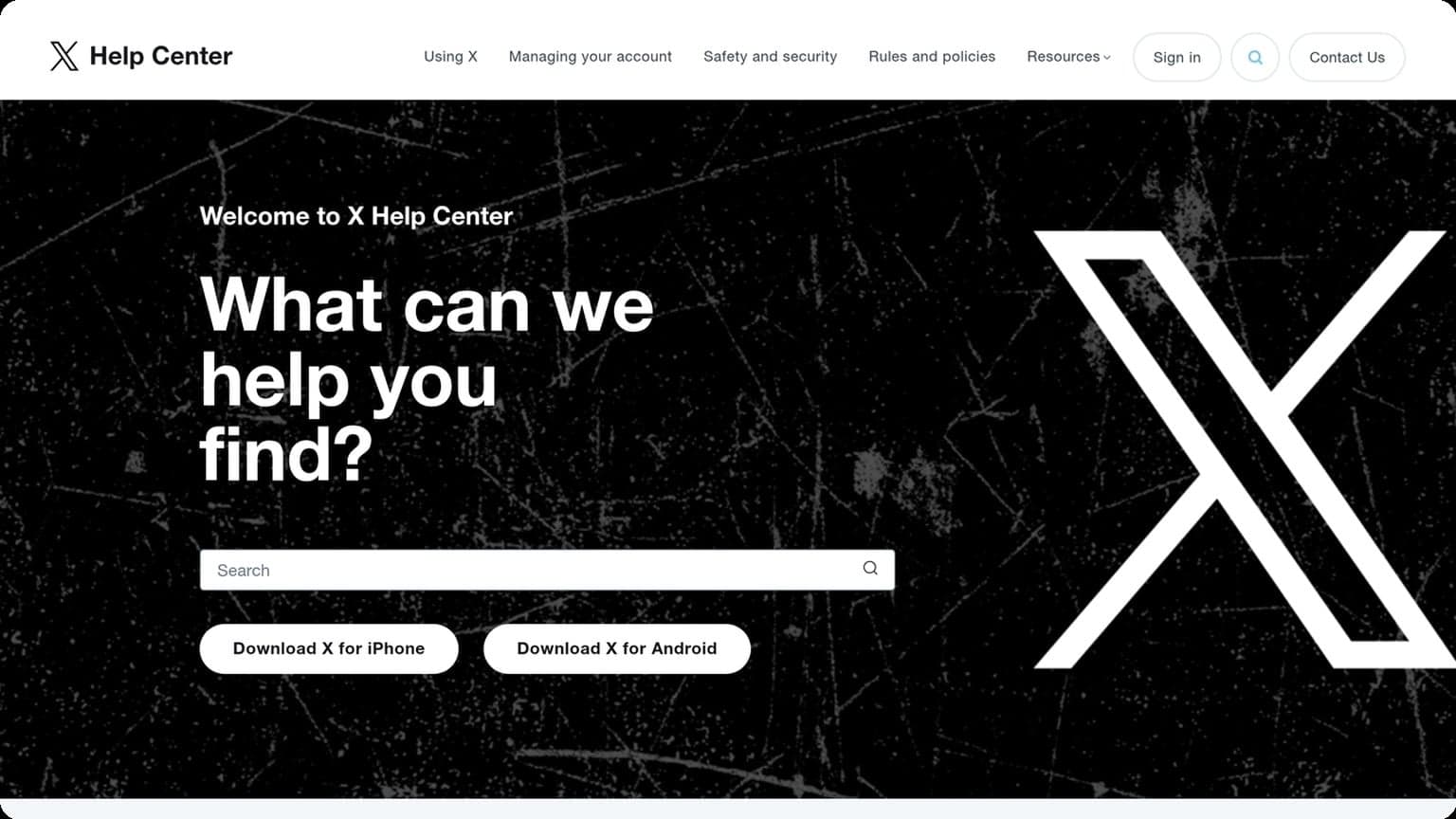
Track timing by audience type and response history. A simple rule is to stop after 2–3 follow-ups unless the person has shown interest. For platform-specific guidance, review official help pages like LinkedIn Help or X Help.
| Context | Suggested follow-up |
|---|---|
| Warm lead | 2–3 days |
| Cold outreach | 5–7 days |
| No reply after 2 touches | Pause or switch angle |
Warm introductions
Warm intros outperform cold asks because they borrow trust from a mutual connection. Before requesting one, make the handoff easy: explain who you are, why the connection matters, and what the introducer should say in one sentence.
Build a small introduction pipeline by identifying overlapping communities, shared clients, or creators in adjacent niches. When you operate multiple accounts, keep the relationship map organized so each profile reaches out to the right people for the right reason.
Content Strategy
A disciplined content strategy keeps multi-account activity consistent, credible, and easier to scale. Instead of posting the same way everywhere, match format, cadence, and engagement style to each account’s role so your profiles look organic rather than centrally managed.
Post formats
Use a mix of formats to avoid repetitive patterns. Short text updates are efficient for testing angles, while images, carousels, reels, and stories help distribute engagement across different content types. A simple rule: each account should have a primary format, plus one secondary format for variety.
| Format | Best use | Risk if overused |
|---|---|---|
| Text posts | Announcements, opinions, quick updates | Low engagement variety |
| Images | Product highlights, proof, visual branding | Template-like repetition |
| Video/Reels | Reach and discovery | High production consistency signals |
Track which formats drive saves, replies, and clicks, then adjust per account instead of copying one winning post across all profiles.
Comment habits
Comments should look human, timely, and context-aware. Avoid bursty behavior: posting dozens of comments in a short window can create a detectable pattern. Spread activity across the day and vary depth, from quick reactions to thoughtful replies.
- Comment on relevant posts, not just high-traffic ones.
- Mix questions, observations, and short confirmations.
- Limit repeated phrasing, emojis, and signature wording.
- Keep reply timing realistic for each account.
Hashtags use
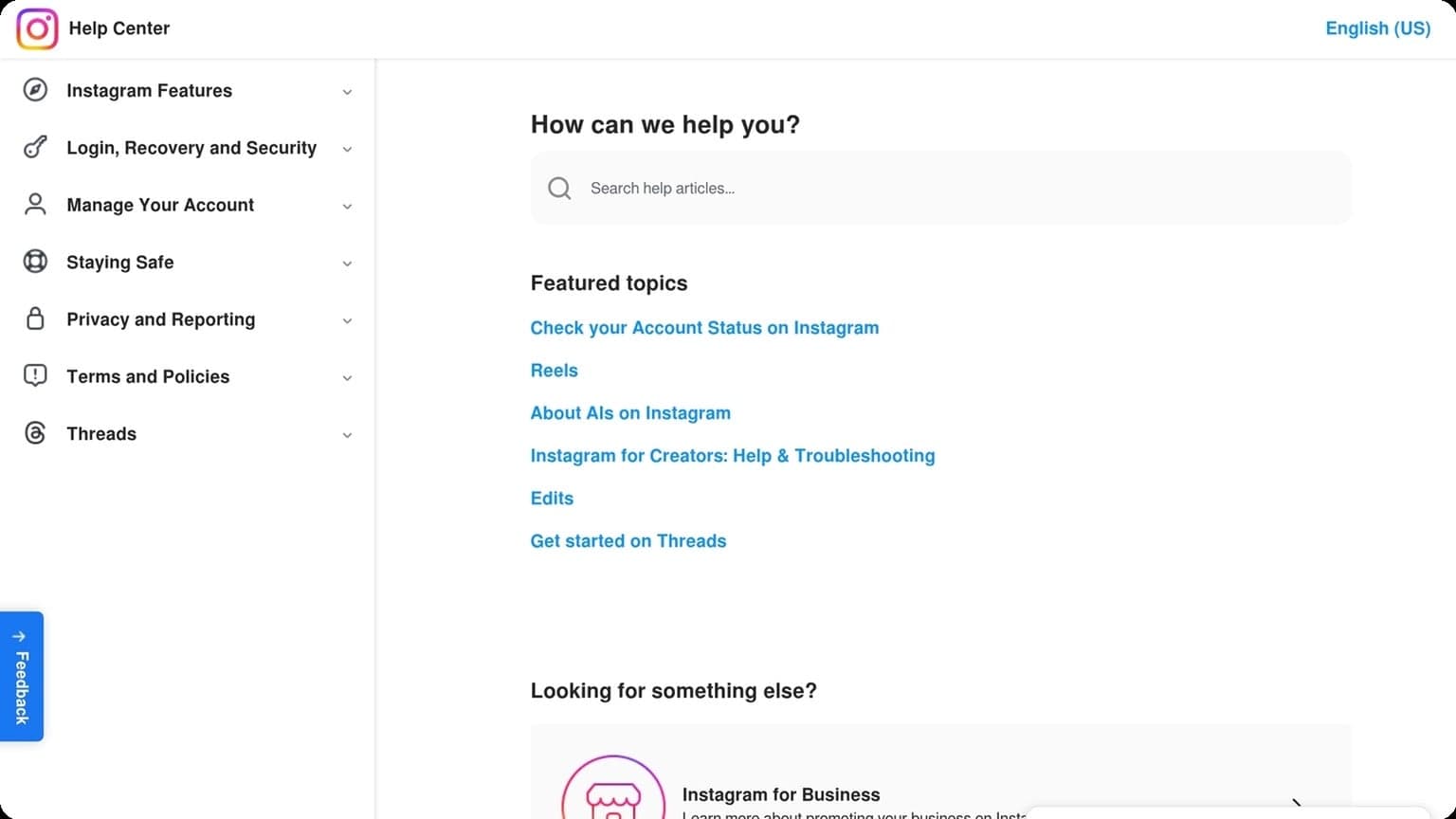
Hashtags still matter for discovery, but overloading them can weaken trust and make posts look automated. Use a targeted set that reflects the niche, topic, and audience intent. Official guidance from Instagram Help Center reinforces the value of relevance over volume.
A practical approach is to rotate between broad, mid-tier, and niche tags while avoiding identical sets across accounts. This keeps distribution natural and reduces cross-account similarity.
Lead Generation
Lead generation works best when every step is repeatable, trackable, and safe across accounts. For teams running outreach at scale, the goal is not just more leads, but cleaner data, consistent follow-up, and fewer platform flags.
Prospect lists
Start with a tightly defined ICP and build lists from sources that match your offer: LinkedIn search, industry directories, job boards, and niche communities. Before outreach, enrich each contact with role, company size, region, and a clear relevance signal so your messaging feels specific instead of generic.
- Filter by job title, seniority, and buying intent.
- Remove duplicates, bounced emails, and inactive profiles.
- Segment by persona so each list gets tailored copy.
Outreach cadence
A strong cadence balances persistence with restraint. Most replies come after multiple touches, but spacing matters: too fast looks automated, too slow loses momentum. Use a sequence that mixes email, social touchpoints, and value-led follow-ups, while keeping each message short and relevant.
For multi-account teams, separate workflows by account and browser profile to reduce overlap and keep activity patterns natural. GoUndetected.io helps you manage this structure without mixing cookies, sessions, or identities.
- Day 1: initial message with a clear value proposition.
- Day 3–4: follow-up with one useful proof point.
- Day 7+: final nudge or breakup message.
CRM tracking
Track every lead from first contact to conversion inside a CRM so you can see which list source, message angle, and cadence actually performs. The best teams measure reply rate, positive response rate, booked meetings, and account-level conversion, not just opens.
| Field | Why it matters |
|---|---|
| Source | Shows which prospect lists produce qualified leads |
| Sequence stage | Prevents missed follow-ups and duplicate outreach |
| Status | Separates active, nurtured, and closed opportunities |
Use your CRM as the single source of truth, and review it weekly to cut weak segments, refine timing, and scale what converts.
Common Mistakes
Even strong outreach campaigns can fail if the basics are off. In multi-account workflows, the biggest risks are not usually volume alone, but patterns that look unnatural to platforms and prospects alike.
Spammy outreach
Sending the same message to everyone is the fastest way to trigger low reply rates, ignores, and account trust issues. Generic openers, aggressive CTAs, and repeated links create a footprint that looks automated even when a human is typing.
Instead, segment by audience and intent. Keep each message specific, concise, and relevant to the recipient’s context.
- Use a clear reason for contact.
- Personalize the first line and offer.
- Limit follow-ups to a sensible cadence.
Weak profiles
A profile with no photo, thin bio, or inconsistent branding is harder to trust and easier to flag. On many platforms, incomplete accounts also convert poorly because prospects do a quick credibility check before replying.
Build each account like a real operator would: complete the profile, add a recognizable identity, and align the bio, visuals, and activity history. For platform-specific guidance, review the official help center for the network you use most, such as Instagram Help or X Help Center.
Inconsistent activity
Long gaps followed by sudden bursts are a common signal of poor account hygiene. If one profile sends 5 messages a day and the next jumps from zero to 200, the pattern stands out immediately.
Keep activity steady and realistic across accounts. A simple operating rule helps:
- Warm up new accounts gradually.
- Match daily actions to account age.
- Rotate usage patterns instead of repeating the same sequence.
That consistency is easier to maintain when each account runs in a separate, controlled browser environment. Tools like GoUndetected.io help teams reduce cross-account fingerprints while keeping workflows organized.
Need more hands-on playbooks? Read Anti-Detection Browser vs Residential Proxy: When You Need Both, and When You Don’t, Anti-detect browsers vs VPS, and Anti-Detection Browser Comparison for Affiliate Marketers: Tracking, Offer Testing, and Geo-Specific Campaigns.
Browse Undetected. Stay Private.
Unique browser fingerprints, built-in proxy support, and anti-detection technology. Try GoUndetected free for 7 days.
Available for macOS and Windows · No credit card required